
Why Multi‑Chain Wallets Need Hardware Support — and How to Keep Your Private Keys Truly Yours
Whoa! This topic gets under my skin. Seriously? So many wallets brag about multi‑chain access, yet skip the hardware piece — which to me, is the part that actually matters. Hmm… my instinct said that most users don’t fully appreciate the tradeoffs between convenience and custody until they lose somethin’ important. Initially I thought browser wallets solved everything, but then I watched someone paste their seed phrase into a scam chat and watched their life savings vanish; that changed my view.
Okay, so check this out—multi‑chain is seductive. You want Ethereum, BSC, Solana, and maybe a sprinkle of Avalanche all in one place. That makes day‑to‑day use smooth. But here’s what bugs me about the current market: many so‑called “multi‑chain” wallets hold private keys server‑side or rely on web connectors that introduce attack surfaces. On one hand, it’s user friendly. On the other hand, though actually, that friendliness often comes with centralized failure modes that are very avoidable. I’m biased, but the safest path mixes multi‑chain UX with hardware‑backed key custody.
Let me walk through the key points, raw and practical. We’ll talk about what “hardware support” actually implies, why private keys should never be a simple copy‑paste, and where a product like truts fits in if you care about real custody, not just flashy token lists. There will be tangents (oh, and by the way…), small nitpicks, and some clear recommendations.
Why hardware support matters for multi‑chain wallets
Short answer: isolation. Long answer: when a private key generation process and signing operation happen inside a dedicated device, the key never touches your phone or desktop where malware lives. That’s obvious to security folks, yet it’s ignored by many UX designers who prioritize instant onboarding. My first impressions were naive. I thought device pairing is a pain—then I realized most “pain” is a one‑time setup that buys years of safer custody. On one hand, the friction reduces impulsive trades. On the other hand, it massively reduces catastrophic loss risk.
Hardware wallets do two things fundamentally. They hold secrets in a tamper‑resistant module. They show transaction details on a tiny screen you control. That second point is the silent hero. A phone can be coerced; a validated display on a hardware device is a last‑line verification that an attacker can’t easily fake. So if you are managing assets across multiple chains, you want that verified signing for each chain’s signature scheme. Some devices only support ECDSA. Others add Ed25519, Schnorr, or chain‑specific tweaks. Compatibility matters—very very important.
There’s nuance here. Not all hardware integration is equal. Some wallets let you export a raw private key from a device into software — that defeats the purpose. Others use the device strictly for signing, which is the right approach. Somethin’ else: supporting many chains means the wallet must implement many signing algorithms and address derivation paths. That complexity is where honest engineering shows up: proper support reduces dangerous manual derivations that lead to lost funds.
Initially I thought adding more transactions per device was only for power users. But now I see that common users benefit too. Consider a user who holds NFTs on Solana and stablecoins on Ethereum; they shouldn’t have to juggle multiple seed phrases or trust a custodian. They need a single hardware‑backed experience that signs across chains without giving keys away.
Private keys: custody, control, and common mistakes
Private keys are both the point and the paradox of crypto. They grant power. They also create single points of failure. Many people treat seed phrases like encrypted passwords, but they behave much more like bearer instruments. Lose them, and recovery is messy or impossible. Store them insecurely, and you invite theft. I’ve seen users store seed phrases in cloud notes because “it’s convenient” — and then they wonder why their wallet emptied overnight. That part bugs me.
Practical rules I use and recommend: generate keys offline when possible, never paste your seed into web forms, and prefer hardware signing. Also, use a recovery scheme tailored to your threat model. For some people, a single 24‑word seed is fine. For others, a Shamir backup (split into shares) or multi‑sig is better. On one hand, multi‑sig adds complexity. On the other hand, it distributes risk and reduces single‑device loss scenarios. Balance matters.
Here’s a subtlety: multi‑sig doesn’t always mean safer if the keys are all accessible from the same compromised environment. Spreading signers across hardware devices and geographic locations is the pragmatic improvement. Also, ensure your wallet implements proper address verification before signing—this is where hardware devices help again, because you can confirm on‑device details.
Bringing hardware into the multi‑chain UX: common engineering pitfalls
Developers often screw up the UX in a few repeatable ways. They assume users will adore long flows. They forget that users need clear, contextual prompts. They hide chain selection behind menus. These are solvable by better design, but there’s an engineering layer that sometimes gets ignored: key format normalization. Chains use different derivation paths and pubkey encodings. If you don’t normalize those properly, a “Send” on one chain could accidentally expose a different key on another chain. That is a real failure mode I’ve debugged in wallets, and it’s annoying because it is preventable.
Another classic is mis‑handling transaction metadata. Users should see which chain, which account, and exact amounts on the hardware device. If the device only shows a hash, it’s useless for humans. So a wallet must parse chain‑specific transaction payloads and present human‑readable details before requesting a signature. That means more work for developers, but it matters when you want to avoid social engineering and phishing thorns.
Also, watch for backup pitfalls. Some wallets “help” by storing encrypted backups on cloud drives. That’s useful for convenience, but if those backups are accessible using a password that the user reuses elsewhere, the convenience converts into a failure vector. It’s better to encourage air‑gapped copies or Shamir splits for meaningful balances.
Where truts fits in—practical recommendation
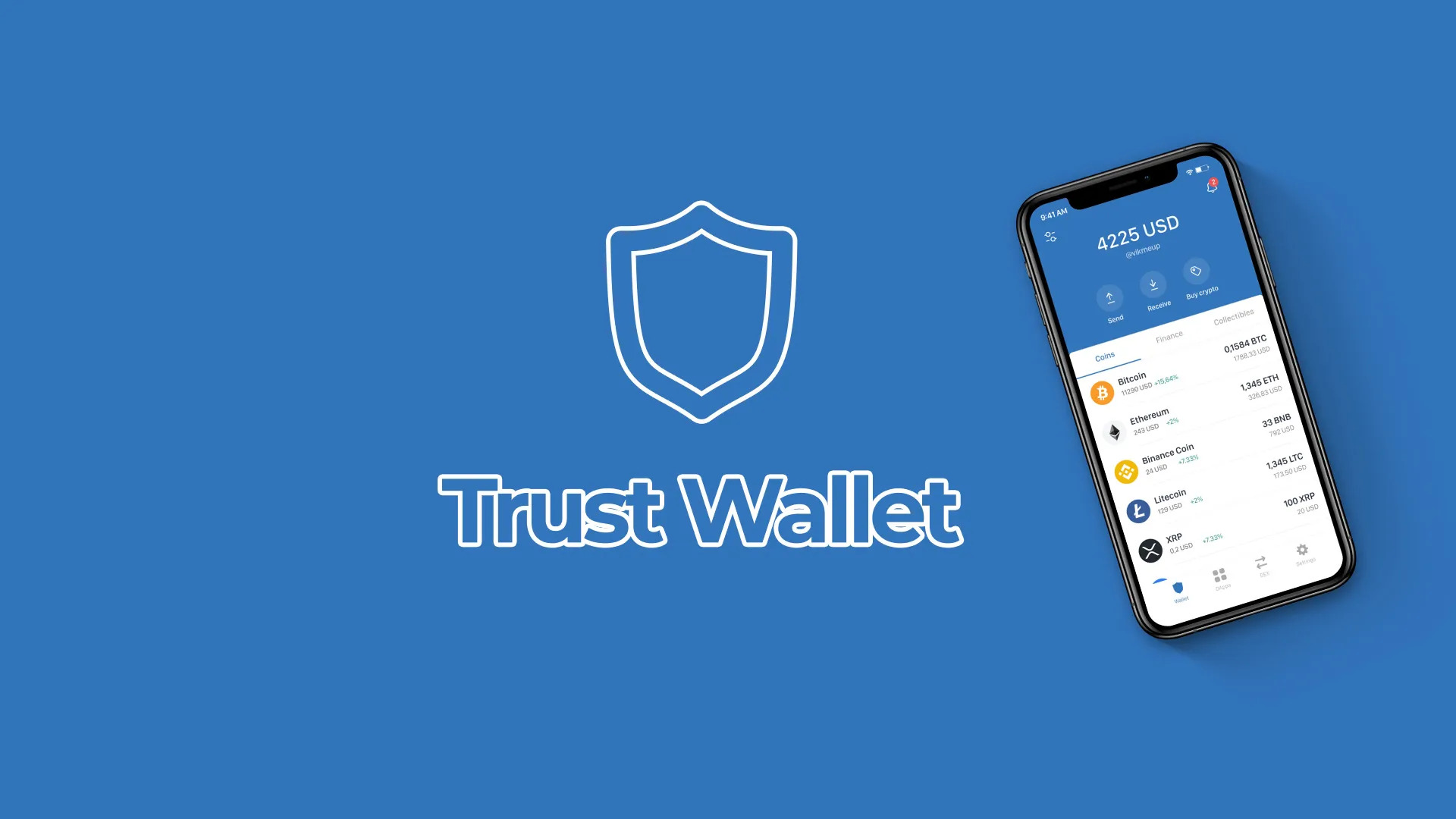
I’ve tried a few hybrid solutions that aim to be multi‑chain and hardware‑friendly. A product that balances both worlds well is truts. They integrate hardware signing support while keeping a clear multi‑chain UX. I’m not shilling — I’m a picky critic — but truts nails several things I care about: deterministic account mapping across chains, clear on‑screen signing details, and sensible backup guidance. If you’re shopping for a wallet and care about custody without sacrificing chain variety, give them a look.
That said, nothing is perfect. Truts, like any solution, has tradeoffs. For example, the onboarding has a few steps that might confuse beginners. But I’d take that friction over a stolen seed any day. I’m not 100% sure every edge case is covered, but they get the core security properties right and document them in plain English, which is rare.
FAQ
Do I need a hardware wallet if I’m just trading small amounts?
Short answer: Yes, if you value security. Long answer: If you keep small amounts that you can easily replace, maybe not. But even small balances can be entry points for attackers who escalate access. A budget hardware device is a cheap insurance policy. My instinct is that safety habits start with small practices, so get used to hardware signing early.
Can a hardware wallet protect me from phishing?
Partially. Hardware wallets prevent direct extraction of private keys, but they don’t stop you from signing a malicious transaction if you don’t verify details. The device helps by showing transaction data; you still must check it. Always verify addresses and amounts on the device screen, and if somethin’ looks off, cancel and double‑check.
Is multi‑sig better than a single hardware seed?
Depends. Multi‑sig distributes risk and avoids single points of failure, but it adds transaction complexity and sometimes fees. If you manage significant assets, multi‑sig with geographically separated signers is best. For casual users, a single hardware seed with proper backups is often sufficient. I’m biased toward multi‑sig for higher stakes, though.
Các Thông Tin khác
| Giá | Hướng | ||
|---|---|---|---|
| Diện tích | m2 | Đường trước nhà | m |
| Chiều dài | m | Pháp lý | |
| Chiều rộng | m | Số lầu | |
| Chỗ để xe | Số phòng ngủ | ||
| Địa chỉ | |||
